In the realm of timeless legacies,
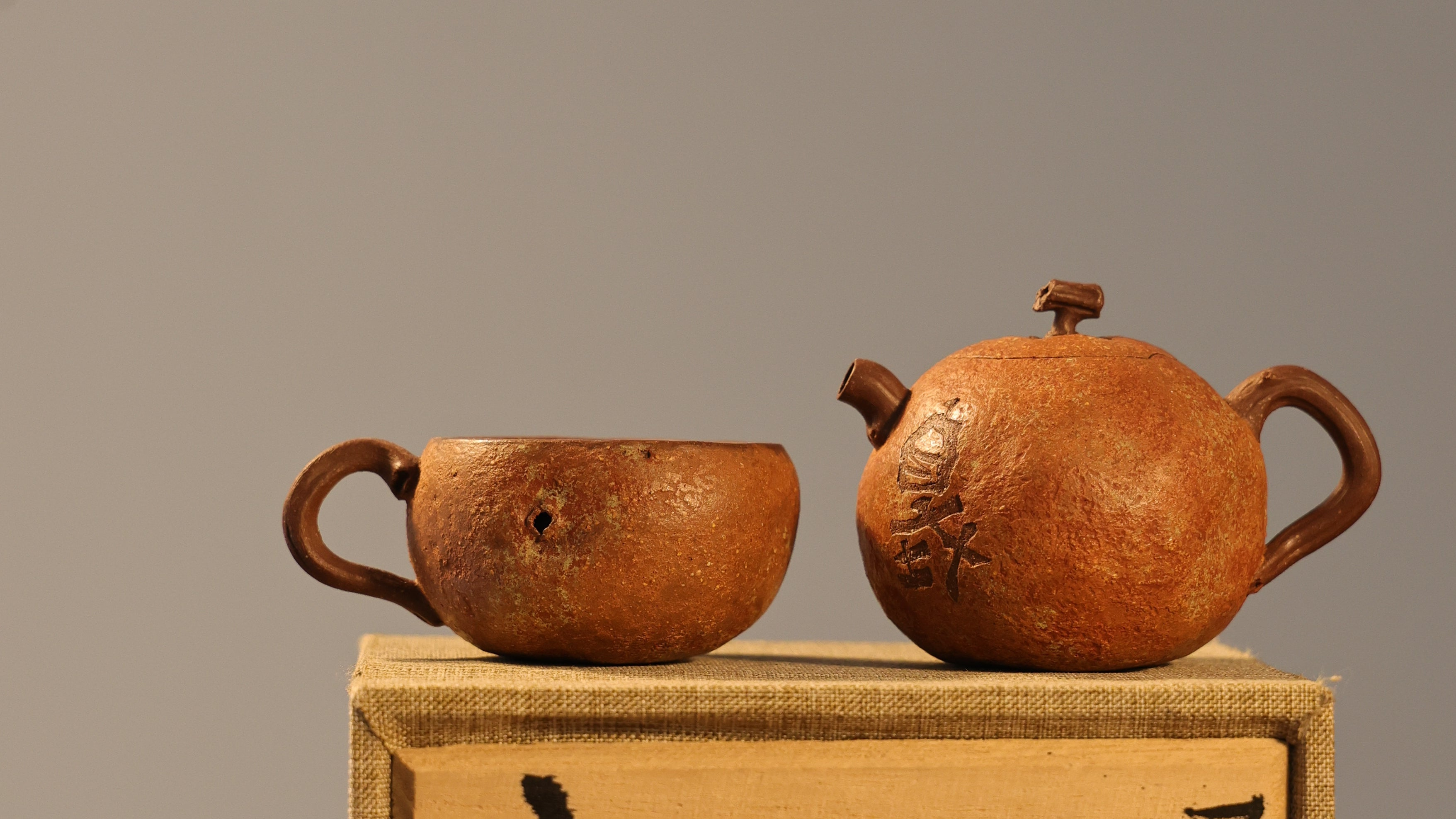
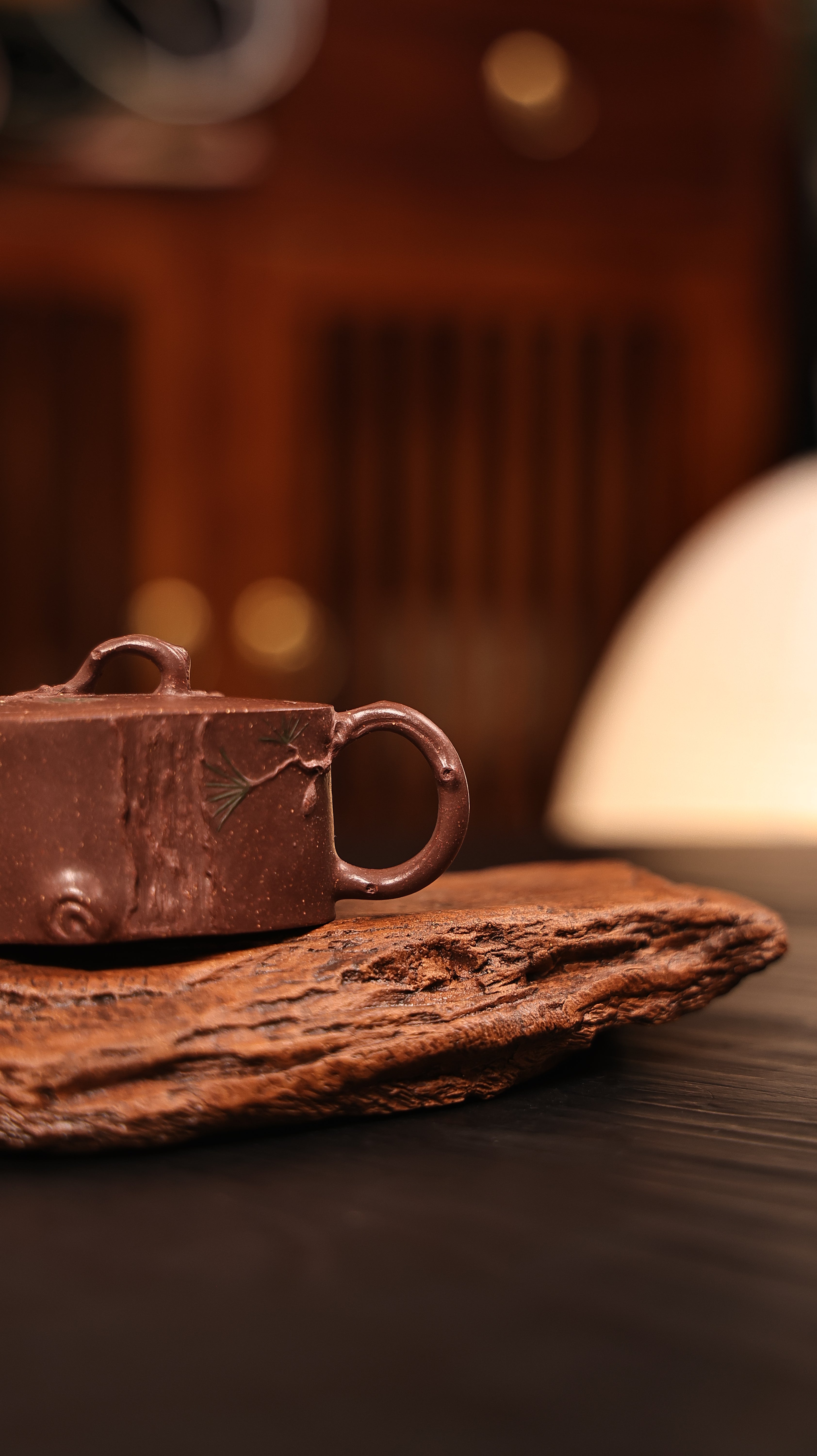
Within decades, aficionados have been ensnared by the uncommon charm of Yixing Zisha vessels. Originating from the zone of Yixing in Jiangsu, these wares are renowned for their distinguished beauty, extraordinary clay, and inherent ability to perfect the essence of the concoction. The clay's distinctive purple-brown hue, combined with the expert fabrication of territorial fabricators, creates objects that are as functional creations and cherished properties. Gaining a Zisha teapot is more than just an purchase; it's adopting a rich ancestral heritage.
Examining Yixing Teapots: Saga, Categories, and Cost
Celebrated Yixing teapots manifest a vast record deeply intertwined with Chinese culture. Rooted in the Yixing region of Jiangsu province, these clay vessels feature a heritage stretching back to the Ming Dynasty. Early examples were functional, but throughout centuries, Yixing teapot forging evolved into an esteemed art form. The clay itself, known for its unique composition and ability to boost the flavor of the tea, exists a defining factor. Yixing teapots appear in various styles, broadly categorized by shape: Historic such as Zhuni (purple clay) and Bisheng, as well as refined designs. The merit of a Yixing teapot varies on several factors, including the potter’s fame, the age of the piece, the rarity of the clay, and its aesthetic appeal.- Account: Old ages
- Earth: Multiple varieties
- Cost Determinants: Craftsman's renown
Zisha Claycraft: Techniques and Makers
The production of a bona fide Zisha teapot is a complicated process, requiring generations of experience. Seasoned artisans meticulously source the excellent Zisha clay, a uncommon earth found only in specific regions of China. Time-honored techniques, often bequeathed through families, involve accurate shaping, nuanced carving, and unhurried firing in ancient fireplaces. The culminating teapot isn't merely a holder; it's a testament to creative vision and the serious connection between the artist and their background. Each teapot showcases the specific touch of the potter, resulting in a truly singular work of pottery.
Eastern Vessels: Understanding the Abundant Inheritances of Yixing Area
Yixing, positioned in Jiangsu the jurisdiction, is universally renowned for its exceptional culinary pots – a tangible representation of centuries Yixing Zisha Teapot of Chinese culture. These aren't merely vessels for creating tea; they are intricate works of skill, often reflecting intellectual ideals. A unique purple clay, known as Zisha, possesses distinctive qualities: the clay dense, porous, and imparts a subtle note to the tea.
- Multitudinous dynasties have honed the techniques of Yixing jar making, passing down cherished methods through ages.
- Devotees prize these pieces for their grace and scarcity.
- Several jar tells a story, connecting the enjoyer to a rich background.
Acquiring Yixing Zisha: Essential Tips
Upon assessing collecting Yixing Zisha clayware, several distinct considerations demand careful attention. Primarily, the material's color is important; authentic Zisha ordinarily exhibits a identifiable maroonish gradient. As well, examine the craftsmanship; precise markings and a elegant overlay demonstrate expert production. To finish, examine the artisan's credentials; famous names earn superior rates and often afford a secure yield.
Artisan Techniques for Brewing Tea in Zisha Pots
Crafting flavorful tea with a Zisha pot is more greater than a simple process; it's an art. Zisha clay, recognized for its unique chemical composition, imparts a soft character to the composed tea that’s often gone with other pots. The right water thermal condition is fundamental; typically, reduced than what's used for black tea, to save the tea's scent and taste. Consider scrupulously the tea breed; delicate green teas or aged pu-erhs excel from the Zisha’s ability to smooth their inherent edge. It’s imperative to prepare the teapot in advance of brewing, and to stop over-steeping. Mastering this technique leads to a rightfully exceptional tea event.
- Grasping Zisha Clay
- Water Temperature & Tea Classification
- Benefit of Warming
Sustaining Your Celebrated Pot
Intending to maintain the existence of your esteemed Yixing earthenware, steady maintenance is fundamentally important. Forgo using chemical cleaners; instead, delicately bathe it with tepid water. Shun drastic variations; don't deposit the vessel directly onto a thermally active burner. Periodically, develop the kettle by processing it with premium specialty beverage, as this promotes to build its profile and preserves the special charm of the element.
Concerning Substance to Vessel: The Course of a Zisha Container
A creation of a Zisha teapot is a intriguing system, a testament to both the globe's bounty and the mastery of the maker. It opens with the careful extraction of the singular clay from the plum Zisha mines near Yixing. This untreated material, known for its superlative characteristics, is then deliberately filtered and prepared for the primary forming. The jug's silhouette is carefully developed using a aggregation of traditional shaping procedures, often incorporating decorative designs. Following curing, the container undergoes a fundamental first firing, subsequent by a glazing stage, which might involve various layers of earthy Zisha applications. Finally, a second, and sometimes third, firing at powerful temperatures realizes the piece, revealing its ultimate beauty and splendid characteristics - a real masterpiece, equipped to embellish a tea session.
{Yixing Teapots: A Symbol of Chinese Tradition and Admiration
Renowned Yixing teapots, originating from the well-known Yixing region of Jiangsu province, are far more than mere wares for brewing elixirs; they represent a meaningful aspect of Chinese civilization. Constructed from distinctive purple clay – zisha – these special teapots are highly admired for their ability to refine the flavor of the tea and, crucially, for their elegance. The chronicle of Yixing teapot making spans centuries, and the technique involved is entrusted through generations, making each teapot a decorative item that embodies traditional techniques and a profound appreciation for the minimalist pleasures in life.