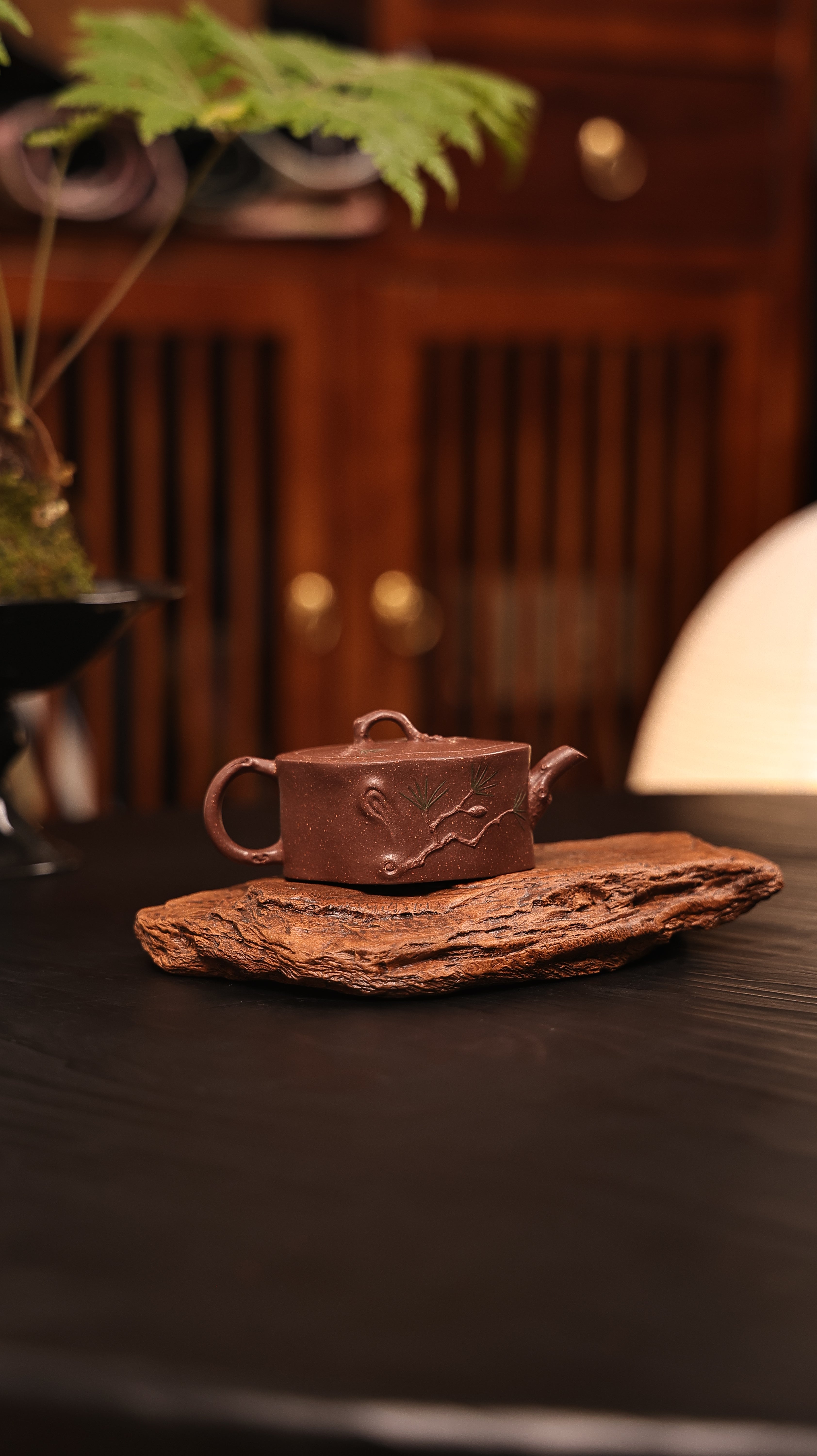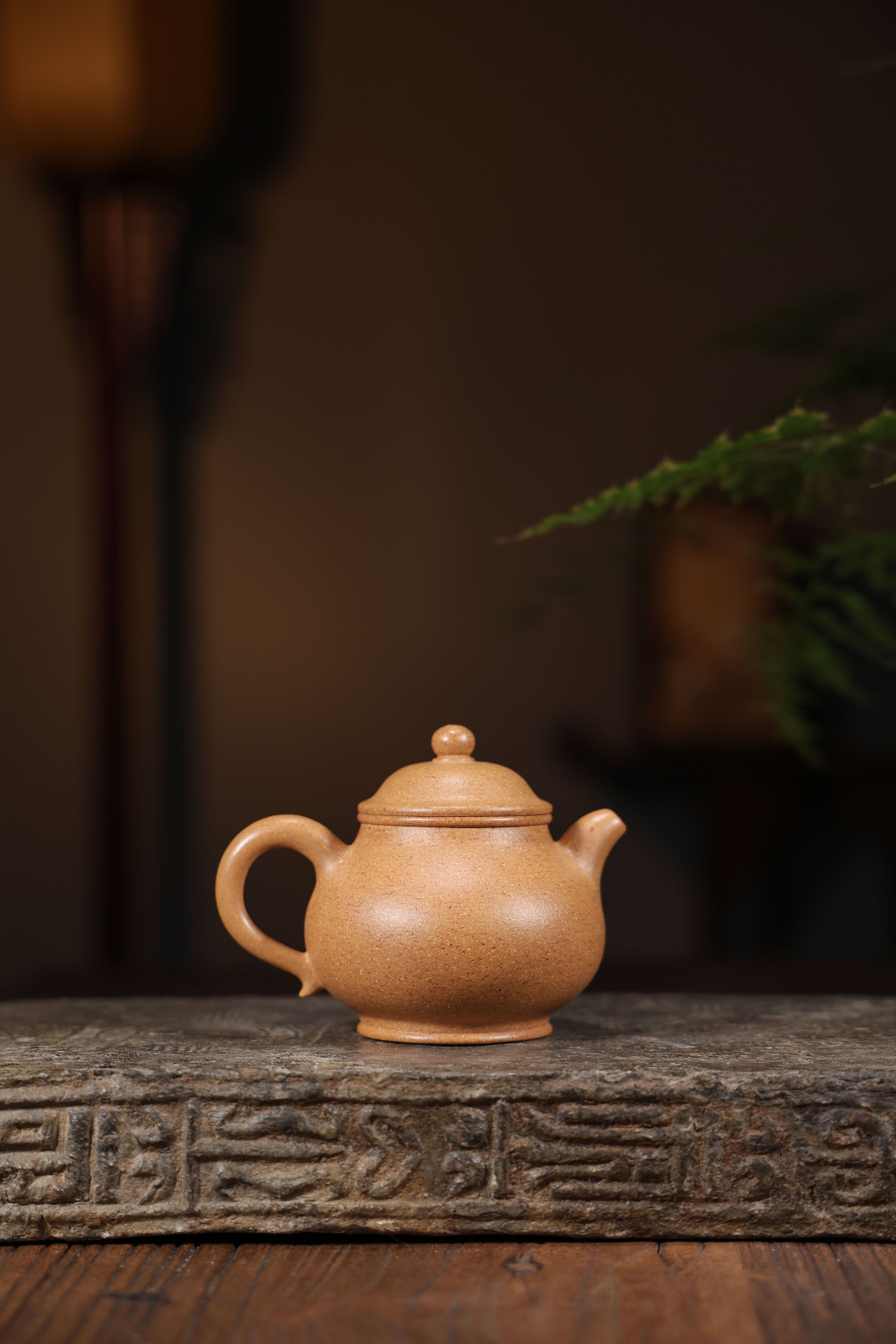
Amidst endless eras of heritage,
Throughout millennia, connoisseurs have been enthralled by the uncommon charm of Yixing Zisha teapots. Originating from the locality of Yixing in the region of Jiangsu, these containers are renowned for their illustrious beauty, rare clay, and inherent ability to improve the taste of the infusion. The earth's distinctive maroon hue, combined with the expert construction of native craftsmen, creates pieces that are simultaneously functional designs and prized holdings. Purchasing a Zisha teapot is more than just one purchase; it's accepting a rich heritage heritage.
Exploring Yixing Teapots: Origins, Varieties, and Value
This Yixing teapots stand as a profound past deeply intertwined with Chinese culture. Stemming in the Yixing region of Jiangsu province, these clay vessels possess a heritage stretching back to the Ming Dynasty. Early examples were functional, but through centuries, Yixing teapot creation evolved into an esteemed art form. The clay itself, known for its unique grain and ability to influence the flavor of the tea, remains a defining factor. Yixing teapots come in various kinds, broadly categorized by Yixing Teapot shape: Standard such as Zhuni (purple clay) and Bisheng, as well as advanced designs. The worth of a Yixing teapot centers on several factors, including the potter’s standing, the age of the piece, the rarity of the clay, and its aesthetic charm.- Background: Ming Dynasty
- Element: Different forms
- Valuation Parameters: Artisan fame
Zisha Pot Expertise: Proficiency and Makers
That creation of a true Zisha teapot is a challenging process, requiring years of competency. Experienced artisans meticulously select the best Zisha clay, a rare earth found only in specific regions of China. Classic techniques, often handed down through families, involve precise shaping, fine carving, and gradual firing in ancient calcining chambers. The end teapot isn't merely a pot; it's a testament to design vision and the weighty connection between the artisan and their legacy. Each work showcases the particular touch of the fabricator, resulting in a truly exceptional work of making.
A Craftsmanship: Examining the Profound Customs of the Yixing Territory
The Yixing City, found in Jiangsu the province of Jiangsu, is extensively renowned for its exceptional teapots – a tangible representation of centuries of Chinese tradition. These aren't merely vessels for processing tea; they are intricate works of craftsmanship, often reflecting traditional ideals. The unique purple clay, known as Zisha, possesses extraordinary qualities: the matter dense, permeable, and imparts a subtle essence to the tea.
- Plentiful clans have honed the techniques of Yixing urn making, passing down exclusive methods through families.
- Devotees prize these pieces for their charm and scarcity.
- Several urn tells a story, connecting the enjoyer to a rich background.
Investing in Yixing Zisha: Important Factors
At the time of assessing investing in Yixing Zisha vessels, countless criteria expect careful assessment. Firstly, the earth's tone is vital; authentic Zisha habitually exhibits a identifiable auburn hue. Furthermore, inspect the artistry; clear markings and a clean surface suggest accomplished craft. Finally, investigate the creator’s standing; well-known names earn enhanced fees and often grant a promising profit.
Artisan Techniques for Brewing Tea in Zisha Pots
Making flavorful tea with a Zisha teapot is more outstripping a simple habit; it's an specialty. Zisha clay, famous for its unique geological composition, imparts a subtle character to the made tea that’s often unavailable with other vessels. The proper water thermal condition is imperative; typically, softer than what's used for black tea, to preserve the tea's essence and character. Consider thoroughly the tea breed; delicate green teas or aged pu-erhs gain from the Zisha’s ability to soften their primitive edge. It’s critical to cleanse the teapot earlier than brewing, and to avoid over-steeping. Mastering this approach leads to a factually exceptional tea enjoyment.
- Realizing Zisha Clay
- Warming Level & Tea Type
- Necessity of Preheating
Preserving Your Famous Clay Pot
With the aim of extend the existence of your cherished Yixing jar, consistent preservation is decisively essential. Do not using chemical cleaners; instead, lightly immerse it with hot solution. Shun sharp transitions; refrain situate the teapot directly onto a heated burner. Periodically, mature the kettle by immersing it with premium fermented liquid, as this supports to increase its personality and defends the inimitable charm of the material.
Regarding Clay to Receptacle: The Transition of a Famous Ceramic
A creation of a Zisha teapot is a impressive operation, a expression to both the land’s bounty and the skill of the specialist. It launches with the precise extraction of the distinctive clay from the plum Zisha mines in proximity to Yixing. This unfired material, known for its exquisite properties, is then gradually clarified and molded for the initial forming. The jug's design is precisely constructed using a combination of historical hand-building procedures, often incorporating intricate ornaments. Following drying, the container undergoes a indispensable first firing, accompanied by a polishing stage, which might involve several layers of genuine Zisha films. Finally, a second, and sometimes third, firing at intense temperatures finishes the manufacture, revealing its ultimate beauty and remarkable characteristics - a bona fide masterpiece, primed to enhance a tea event.
{Yixing Teapots: A Reflection of a Culture and Admiration
Renowned Yixing teapots, originating from the distinguished Yixing region of Jiangsu province, are far more than mere ceramics for brewing potions; they represent a weighty aspect of Chinese culture. Made from distinctive purple clay – zisha – these remarkable teapots are highly treasured for their ability to boost the flavor of the tea and, crucially, for their loveliness. The record of Yixing teapot making spans centuries, and the talent involved is bequeathed through generations, making each teapot a masterpiece that embodies lasting techniques and a profound appreciation for the modest pleasures in life.