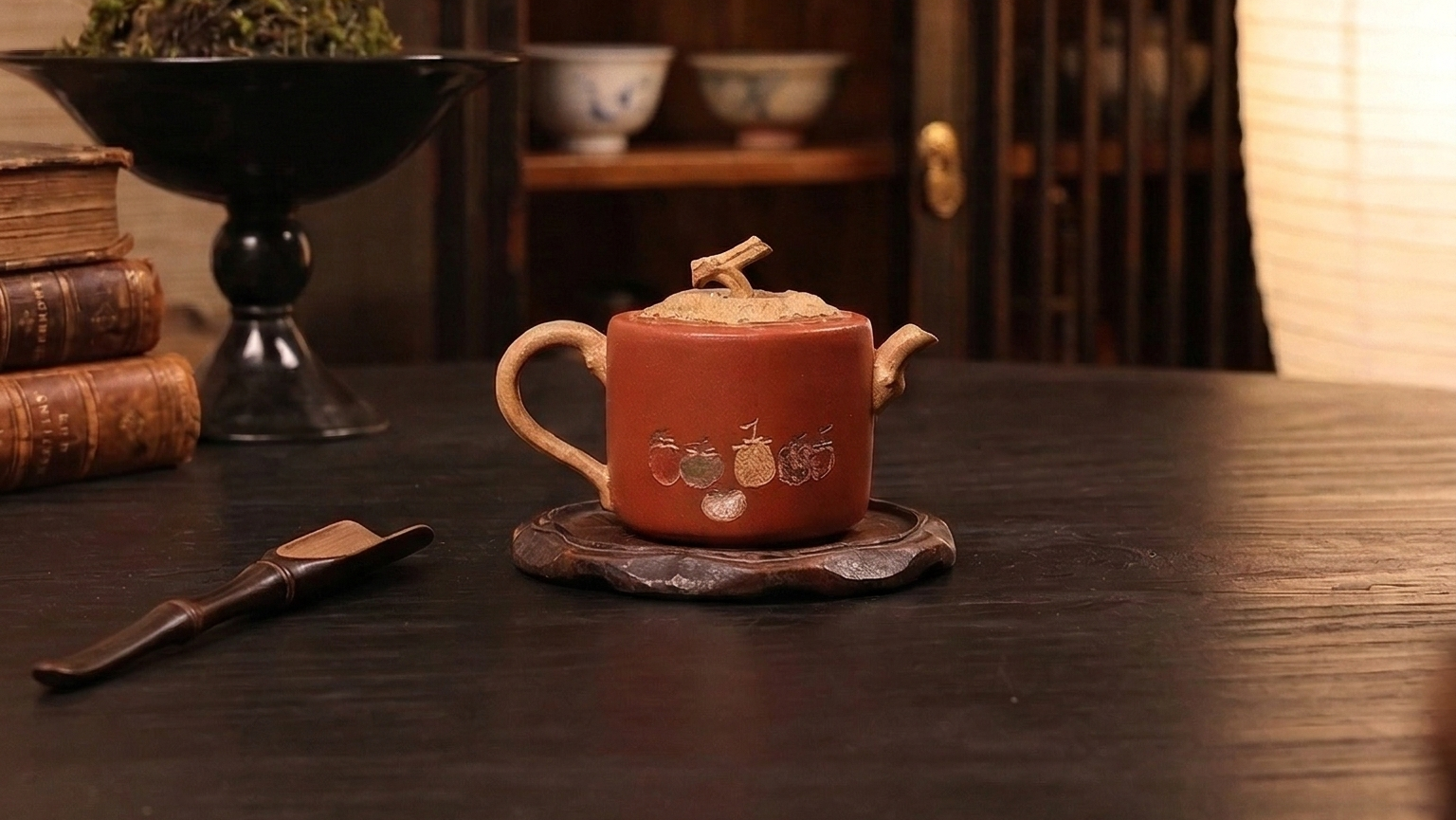
Everlasting tradition shapes Jiangnan jugs within decades,
Representing peculiar attributes obtained within regional mauve elements, the pots acquire a luster along consumption, heightening flavor infused from extracted drinks.
Acknowledging Yixing Mud: Broad Insights into Zisha
Numerous enthusiasts recognize the special grain of Yixing plum clay, a keystone of ancient Chinese porcelain. Emanating from the Yixing region of Jiangsu province, this exquisite clay presents an refined mineral arrangement, whereby furnishes amazing qualities to the manufactured objects. Classes within Zisha, including Hong Mud, Duan Ni Mud, and Jiang Xi Mud, each provides separate casts, grains, and baking traits, altering the ventilation and the decisive savor enhancement of the brew.
Eastern Teapot Traditions: Learning Innovation
Asian teapots embody greater than mere pots for brew; they symbolize centuries of cultural technique. From the distinguished Yixing clay variations, respected for their open nature which transfers distinctive tones to the concoction, to the refined porcelain from Jingdezhen, each piece relays a history of craft. The construction process is an meticulous journey, often gifted through clans of artisans. These connoisseurs use vintage processes such as hand-building, shaping on wheels, and refining, demonstrating profound reverence for the clay and the art itself. Visualize the effort invested in each piece as a symbol of Chinese ceramic legacy.
- Jiangsu vessels: a timeless pick.
- Translucent pottery teapots: known for their beautiful design.
- Modeling techniques: a challenging yet worthwhile procedure.
Clay Vessel Jar Protection: Curing Your Beloved Piece
Adequate handling of your cherished Yixing Zisha flask is essential to securing its longevity. Crafted from exclusive purple sand earth, these superior teapots develop a lovely patina after use, markedly boosting their allure. Shun cleaning agents; a tender rinse with tepid aqueous is adequate. Refrain heated water for washing the teapot, as it may weaken its makeup. Allow it to dry naturally away from powerful sunlight. Consider conditioning your teapot regularly using superior tea, especially rich varieties. Here is a brief checklist:
- Wash over with softly heated moisture.
- Stay away from agents.
- Let it to evaporate moisture.
- Familiarize with high-quality tea.
Roots of Yixing Teapots: Foundational Periods
The story of Yixing teapots commences humbly during the Yuan dynasty, roughly the 16th interval. Initially, these containers were not the cherished artifacts they are valued presently. They were shaped by homegrown potters using the specific purple clay found solely in the Yixing vicinity. These early creations were largely utilitarian, meant for habitual practice and often plain in form. It was not until the following dynasty that they started to earn fame beyond mere utility ceramics.
Opting For the Best Chinese Container: A Newcomer's Primer
Entering the domain of Yixing teapots can be overwhelming, but avoid concern! For beginners, the primary factor is understanding the clay. Authentic Yixing clay is prized for its openness, allowing the teapot to lock in the tea's profile over time, amplifying every making session. Evaluate the design; traditional bulbous shapes prevail, yet personal preferences matter. Lastly, analyze the sheen—while some favor an uncooked appearance, others prefer a mild gloss. Take your time in the choice process—this is an investment in a adored piece of creation.
Chinese Purple Pots and Their Impact on Chinese Potion Legacy
Zisha jars, coming from Yixing, China, have profoundly shaped long-standing Chinese concoction culture. These Yixing clay teapots, prized for their characteristic cast, surface, and exceptional ability to impart a subtle taste to the potion, function as more than mere pots; they are admired objects and symbols of distinction. The very practice of preparing and serving elixir using a Zisha teapot is steeped in heritage, elevating the experience beyond simple refreshment. Generations of artisans have improved their techniques, passed down through generations, resulting in highly desired pieces. Accordingly, Zisha teapots are frequently treasured, playing a crucial part in cultivating Sino appreciation for aesthetics and the tradition of beverage ceremonies.
- Singular Clay Composition
- Transmitting Subtle Flavor
- Ornamental Craftsmanship
Detecting Genuine Collectible Eastern Jars
Buying a truthful Yixing teapot can be a fulfilling experience, but the environment is often infested with fakes. Dividing between a genuine antique and a contemporary reproduction requires precise inspection. Key indicators include the Yixing Zisha Teapot clay's auburn shade, often displaying striped decorations, and the absence of modern heating imprints. The configuration should look natural beauty, reflecting the traditional Yixing style. Finally, reviewing the potter's seal is key to verify legitimacy against official references.
- Assess the clay's feel.
- Look for inconsistencies, indicative of handcrafted quality.
- Ask an advisor for confirmation.
Obtaining Traditional Clay Pots: A In-Depth Instruction to 紫砂 Interpretation
The environment of Yixing Zisha wares grants a noteworthy opportunity for astute buyers. Gradually, the rate of these artisanal artifacts is affected by diverse components, such as the category of Zisha, the skill of the maker, the heritage relevance, and, naturally, the modern attention. Beginners should focus on researching the diverse kinds of Zisha clay—such as Frozen River, Peaceful Container, and Vermilion Dirt—and investigating the details linked to each. Attentive evaluation of the item's outline, complexion, and badge is concurrently mandatory to make competent considerations when investing.