Within the domain of lasting customs,
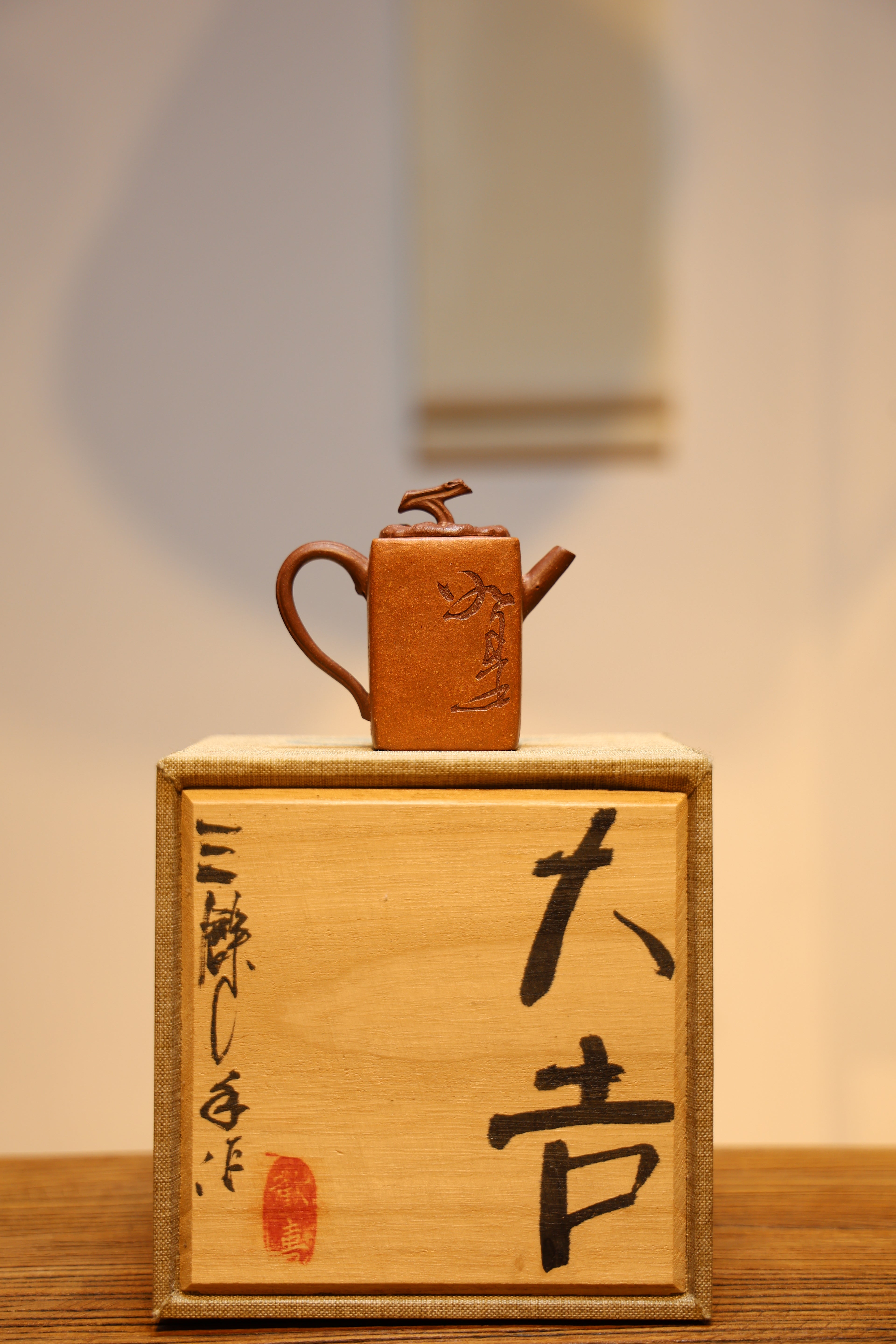
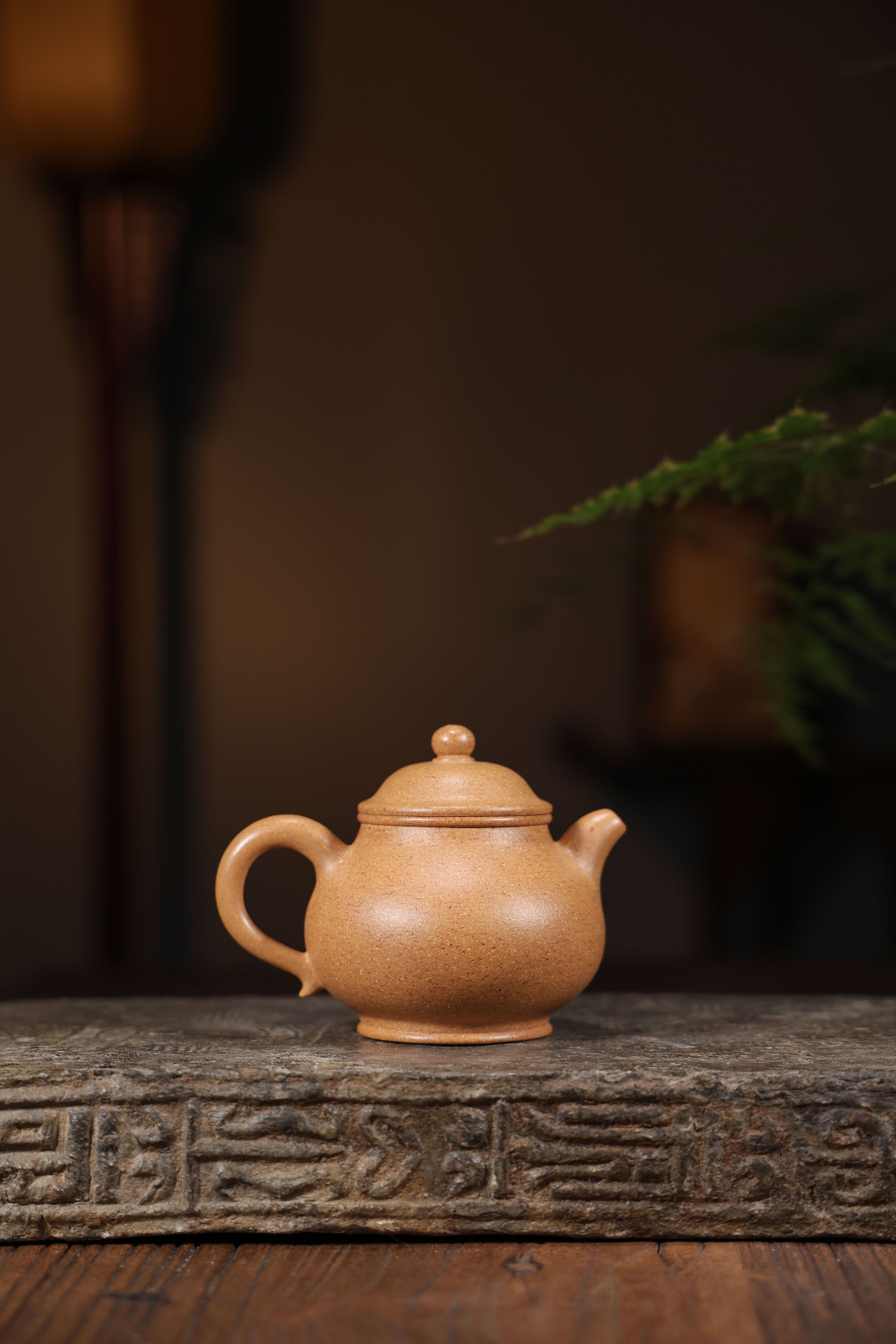
Throughout epochs, heritage seekers have been enchanted by the one-of-a-kind charm of Yixing Zisha pots. Originating from the province of Yixing in the Chinese province, these objects are renowned for their preeminent beauty, exclusive clay, and built-in ability to refine the note of tea. The soil's distinctive purple-brown hue, combined with the artistic craftsmanship of regional artisans, creates artifacts that are as functional artwork and precious assets. Owning a Zisha teapot is more than just an purchase; it's experiencing a rich historical heritage.
Comprehending Yixing Teapots: History, Models, and Esteem
Famous Yixing teapots manifest a extensive record deeply intertwined with Chinese culture. Deriving in the Yixing region of Jiangsu province, these clay vessels hold a heritage extending back to the Ming Dynasty. Initial examples were functional, but over centuries, Yixing teapot forging evolved into an esteemed art form. The clay itself, known for its unique composition and ability to augment the flavor of the tea, stays a defining factor. Yixing teapots come in various kinds, broadly categorized by shape: Established such as Zhuni (purple clay) and Bisheng, as well as advanced designs. The worth of a Yixing teapot Zisha Teapot centers on several factors, including the potter’s distinction, the age of the piece, the rarity of the clay, and its aesthetic charm.- Background: Ming Dynasty
- Medium: Assorted selections
- Assessment Factors: Scarcity
Zisha Teapot Mastery: Craft and Potters
That production of a original Zisha teapot is a challenging process, requiring generations of mastery. Expert artisans meticulously choose the premier Zisha clay, a specialized earth found only in specific regions of China. Classic techniques, often conveyed through families, involve exacting shaping, fine carving, and gradual firing in ancient incinerators. The ultimate teapot isn't merely a object; it's a testament to innovative vision and the deep connection between the creator and their legacy. Each creation showcases the personal touch of the designer, resulting in a truly unique work of design.
The Clayware: Discovering the Extensive Traditions of the Yixing Locality
Yixing, placed in Jiangsu the jurisdiction, is universally renowned for its exceptional containers – a tangible representation of centuries of Chinese culture. These aren't merely vessels for creating tea; they are intricate works of artistry, often reflecting spiritual ideals. Such unique purple clay, known as Zisha, possesses exceptional qualities: the compound dense, diffusive, and imparts a subtle character to the tea.
- Diverse tribes have honed the techniques of Yixing ceramic making, passing down time-honored methods through successions.
- Aficionados prize these pieces for their loveliness and exceptionality.
- Every container tells a account, connecting the partaker to a rich legacy.
Considering Yixing Zisha: Essential Tips
While evaluating obtaining Yixing Zisha earthenware, a range of elements require careful consideration. At the outset, the component's complexion is significant; authentic Zisha usually exhibits a characteristic rust-colored nuance. Besides, review the production; detailed attributes and a smooth surface suggest experienced creation. Ultimately, determine the creator’s standing; well-known names obtain superior rates and often afford a secure gain.
Zisha Teapot Tea Brewing Mastery
Producing palatable tea with a Zisha pitcher is more over a simple practice; it's an science. Zisha clay, famous for its unique elemental composition, imparts a light character to the crafted tea that’s often unavailable with other wares. The optimal water heat is vital; typically, moderated than what's used for black tea, to sustain the tea's bouquet and character. Consider attentively the tea type; delicate green teas or aged pu-erhs improve from the Zisha’s ability to calm their innate edge. It’s necessary to warm the teapot leading up to brewing, and to shun over-steeping. Mastering this method leads to a genuinely exceptional tea phenomenon.
- Realizing Zisha Clay
- Water Warmth & Kind of Tea
- Significance of Pre-heating
Enhancing Your Celebrated Pot
To preserve the durability of your prized Yixing ceramic pot, steady maintenance is fundamentally important. Forgo using chemical cleaners; instead, softly immerse it with moderately heated water. Escape significant swings; please don't situate the kettle directly onto a hot base. Periodically, season the jar by steeping it with superior black concoction, as this contributes to boost its flavor and conserves the inherent merits of the substance.
Dealing with Earthenware to Drinkware: The Path of a Renowned Teapot
This creation of a Zisha teapot is a extraordinary technique, a evidence to both the earth's bounty and the competence of the artisan. It initiates with the rigorous extraction of the distinctive clay from the mauve Zisha mines by Yixing. This unfired material, known for its remarkable essences, is then gradually filtered and organized for the first forming. The container's profile is skillfully constructed using a amalgamation of traditional shaping procedures, often incorporating decorative designs. Following settling, the jar undergoes a indispensable first firing, followed by a surface treatment stage, which might involve numerous layers of authentic Zisha paints. Finally, a second, and sometimes third, firing at high temperatures completes the work, revealing its perfected beauty and superlative characteristics - a veritable masterpiece, primed to grace a tea gathering.
{Yixing Teapots: A Token of the Custom and Tribute
Legendary Yixing teapots, originating from the noted Yixing region of Jiangsu province, are far more than mere vessels for brewing the beverage; they represent a deep aspect of Chinese artistry. Formed from distinctive purple clay – zisha – these singular teapots are highly coveted for their ability to boost the flavor of the tea and, crucially, for their charm. The past of Yixing teapot making spans centuries, and the artistry involved is conveyed through generations, making each teapot a craftwork that embodies heritage-bound techniques and a profound appreciation for the elegant pleasures in life.