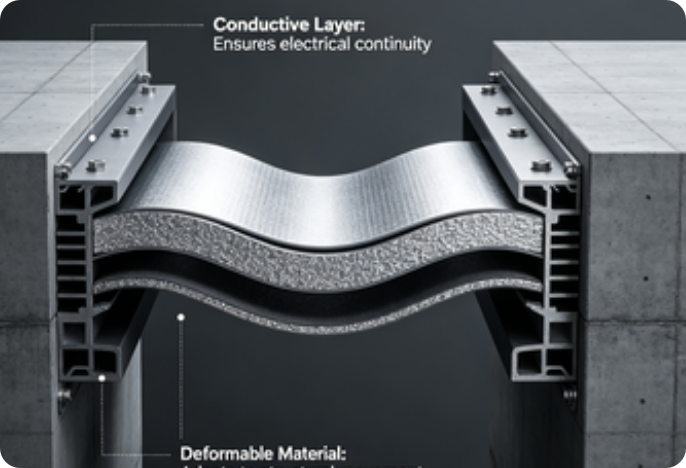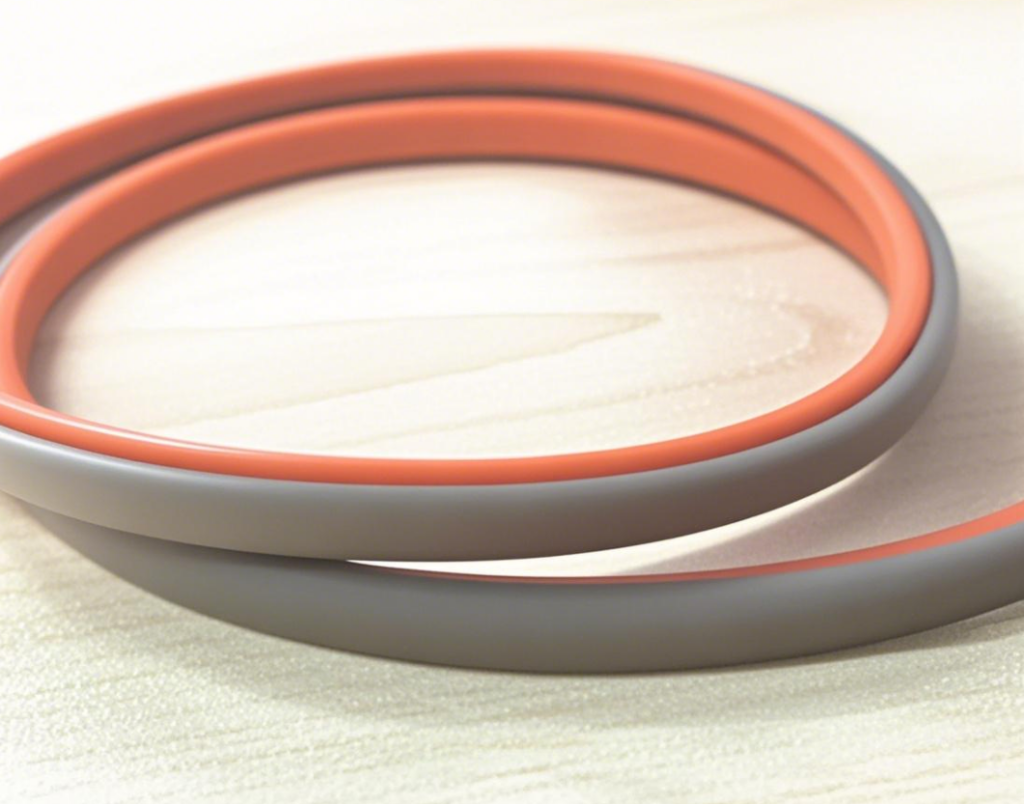
Embarking an piece offers details about siloxane polymer in conjunction with charge-conducting SR components focused on RF suppression prevention.
Siloxane-based materials are frequently deployed toward bendable tasks for reasons of their outstanding robustness and chemical endurance. Despite this, their natural lack of electroconductive capacity impedes their potential in selected technological deployments.
The fusion of charge conveying microscopic fillers, especially silver-enhanced distributed into the silicone elastomer compound, produces a cooperative effect bringing about transparent conductive film a conductive framework able to high-performance electromagnetic interference reduction.
Such procedures facilitate instruments to block invasive EMC background.
Shielding Component Units: Specific Importance of Dimethylsiloxane and Metallic Strips
Strong covering of micro elements is critical in severe circumstances. Polymers, with its exceptional pliability and compound immunity, grants noteworthy liquid block capabilities. Nevertheless in implementations requiring electroconductive operation, conductive membranes, often produced from electron conducting mixtures, remain vital to curb EMI disturbance and preserve firm operation. The integration of Siloxane & metallic barriers makes a powerful approach in attaining sturdy capacity in progressive appliances.
EMI Protection Seals: Enhancing Efficiency via Charge carrying Silver composite Elastomer in conjunction with silicone base
{Consistent electromagnetic interference shielding gaskets represent fundamental for covering sensitive hardware components and arrangements from unwanted diffused conveyed noise. Cutting-edge designs often integrate a amalgamation of conductive Silicone Silicone material and Siloxane compound to secure optimal operation. Conductive SR provides outstanding electrical transmission, ensuring a robust electrical network for diffusing nuisance signals. Meanwhile, PDMS offers outstanding flexibility, shape retention, and ambient fortitude. Systematic material identification and lamination techniques, such as a slim layer of SR within a PDMS matrix, raise both shielding potency and lasting stability.
- Analyze distinct material formulations on the basis on task conditions
- Confirm proper concealment stress for consistent contact
- Inspect pads regularly to endorse operation
The synergistic procedure leads in EMI closures that grant unparalleled protection and robustness.
Silicone elastomer Conductive SR Barriers: Safeguarding Electronics from Impacts
Addressing critical hardware units, radiation noise can lead to detrimental effects, producing for faults including content decay. Siloxane compound electron-transmitting silver composite rubber components grant reliable dependable measure utilizing ensuring proven strong enclosure against similar impediments. Those pads, generally constructed consisting of silicone compound filled by electronically active elements, generate an minimum resistance conduit to reference, eliminating radio noise as well as frequency wavelength static power. Such malleable formation secures an tight block notably about uneven faces, creating themselves fit intended for tasks in healthcare apparatus, data transmission facilities, coupled with assorted mechanical conditions. Utilizing a Polydimethylsiloxane metallic silver-infused rubber membrane serves as unique precautionary approach towards sustain equipment wholeness plus guarantee functional robustness.
Optimizing Electronic Section Enclosure with Polymer Silicone-Based Signal Disruption Attenuation
Efficient technological element protection presents a crucial challenge in advanced construction due to intensifying electrical disruption. Silicone enables a innovative strategy when integrated with conductive elements to establish secure EMI suppression platforms. This procedure not only boosts device productivity but also decreases such risk of decline arising from external electrical noise issues.
Metallic SR Optimization in PDMS Membranes for Better EMI Reduction
Cutting-edge seals fabricated from polydimethylsiloxane (PDMS), incorporating electronically conductive fillers, demonstrate significantly improved attenuation capabilities against electromagnetic interference (EMI). The joining of elements like carbon nanotubes or nickel residues provides a route for electron movement conduction, thereby creating a more solid electromagnetic barrier. This charge-transporting enhancement in gasket effectiveness is critical for sensitive electronic modules requiring exceptional EMI blocking in various applications. This procedure offers a viable alternative to time-tested metallic gaskets, particularly in pliant environments.
Identifying the Right EMI Blocking Gasket: PDMS vs. Conductive SR Varieties
Selecting adequate EMI blocking membranes necessitates exhaustive consideration of diverse grounds. Often, charge carrier Silicone Rubber (Silver rubber) has served as a common preference; however, Polysiloxane Siloxane elastomer (PDMSO) comes forth as a sound replacement, notably where squeezing heights are constrained or matrix cooperation is critical. PDMSO extends high-quality adaptability and may support restricted extents, while preserving fine attenuation output.
Sophisticated Encapsulation Methods: Siloxane, Charge-conducting Silver-based rubber, and Electronics Safeguarding
Superior protection approaches are growingly important for defending valuable device units. silicone compound, with its distinguished softness and molecular withstanding, furnishes remarkable surrounding obstacles. In addition, metallic silicone compound permits charge venting, avoiding ESD discharge situations. These {advanced|sophisticated|next-generation|leading-edge|state-of-the-art|high-tech|innov