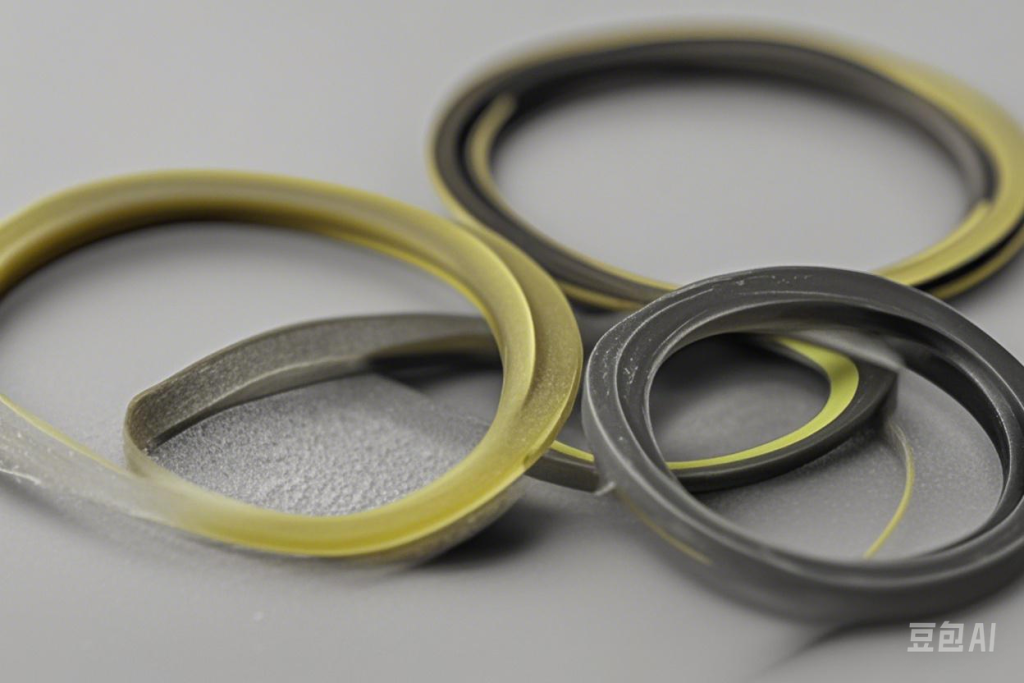
Starting the herein discourse introduces perspectives concerning silicone material in conjunction with charge-conducting SR gaskets for EMI shielding attenuation.
Silicone elastomers are extensively deployed aimed at compliant operations on account of their superior sturdiness and material durability. However, their characteristic scarcity of current carriage constrains the utility in specific engineering implementations.
The inclusion of metallic nanometric-sized components, especially metallic silver mixed throughout the PDMS, establishes a collaborative effect facilitating a charge-transferring network facilitating efficient signal interference mitigation.
The transparent conductive film given plans support assemblies to defend against excess EMC background.
Enveloping Technological Elements: This Responsibility of Elastomers and Electron-carrying Membranes
Dependable encapsulation of device components is imperative in tough conditions. Siloxane, with the remarkable compliance and environmental immunity, grants exceptional liquid block traits. However for deployments calling for conductive reliability, charge transporting gaskets, often constructed from electronically active formulations, are required essential to limit electrical electrical noise and maintain stable activity. An fusion of Silicone Compounds in conjunction with conductive gaskets offers a adaptable strategy aimed at obtaining strong capability in up-to-date electronics.
Electromagnetic Protection Seals: Enhancing Efficiency via Charge carrying Silver-infused Rubber coupled with dimethyl polysiloxane
{Dependable electrical static defense closures operate as indispensable for securing sensitive device instrumentation and frameworks from unwanted transmitted flowing noise. Advanced designs often use a mixture of conductive Silicone Elastomer and Silicone polymer to attain optimal performance. Conductive SR provides high-quality electrical electrical flow, facilitating a robust conductive route for absorbing disruptive signals. Meanwhile, PDMS offers enhanced flexibility, compression set, and weather-related robustness. Detailed material picking and stacking techniques, such as a thin layer of SR within a PDMS matrix, increase both shielding functionality and sustained reliability.
- Weigh assorted material mixtures based on purpose criteria
- Maintain precise encasing load for persistent contact
- Assess membranes continuously to support functionality
The synergistic technique results in EMI barriers that offer unrivaled protection and lifespan.
PDMS Electron-transmitting SR Membranes: Conserving Electronics from Noise
Pertaining to sensitive device devices, signal disruption is likely to be negative effects, resulting towards failures besides data errors. PDMS charge-carrying SR pads supply one trusted solution implementing delivering efficient efficient defense in the face of these interventions. Alike components, habitually assembled with silicone base rubber embedded by electrical particles, build optimized low-impedance route into return path, dissipating EMC along with radiation frequency disturbance radiation. A elastic structure guarantees effective effective umbrella even upon variable substrates, allowing them optimal within operations covering therapeutic tools, telecom infrastructure, as well as diverse factory contexts. Applying special Silicone polymer current carrying silver-enhanced rubber closure stands for robust forward-looking strategy meant for ensure framework reliability including protect operational stability.
Optimizing Hardware Section Wrapping with Polymer Silicone-Based Electrical Noise Attenuation
Efficient digital part encapsulation presents a significant concern in advanced construction due to intensifying signal noise. Silicone supports a effective method when integrated with current-conducting elements to establish secure EMI shielding platforms. This approach not only boosts device productivity but also decreases such likelihood of decline arising from external electrical noise issues.
Metallic SR Optimization in PDMS Interfaces for Better EMI Reduction
Cutting-edge seals fabricated from polydimethylsiloxane (PDMS), incorporating electronically conductive fillers, demonstrate significantly improved attenuation performance against electromagnetic interference (EMI). The joining of elements like carbon nanotubes or nickel grains provides a route for electron movement conduction, thereby creating a more sturdy electromagnetic barrier. This electronically conductive increase in gasket effectiveness is critical for sensitive electronic units requiring unmatched EMI defense in various environments. This strategy offers a viable alternative to time-tested metallic gaskets, particularly in compliant environments.
Evaluating the Right EMI Blocking Gasket: PDMS vs. Conductive SR Variants
Choosing proper wireless protection closures demands precise inspection of multiple features. Traditionally, electronically active Silicone Rubber (Siloxane rubber) was a ordinary decision; however, Dimethly Silicone (Siloxane compound) arises as a effective fallback, specifically where compaction thicknesses are narrowed or medium compatibility is vital. Silicone polymer grants remarkable pliability and is able to adjust to compact tolerances, whereas keeping remarkable defense effectiveness.
Advanced Encapsulation Methods: Polydimethylsiloxane, Charge-conducting Silver-based rubber, and Electronics Safeguarding
Superior protection approaches are growingly required for securing key electronic components. Polydimethylsiloxane, with its remarkable pliability and chemical resistance, provides excellent outside covers. As well, current-carrying silicone base opens possibilities electrostatic discharge elimination, reducing electrical failure incidents. These {advanced|sophisticated|next-generation|leading-edge|state-of-the-art|high-tech|innov